I. Core Function of Refrigerant Oil: Ensuring Long-term Stable Operation of the Compressor
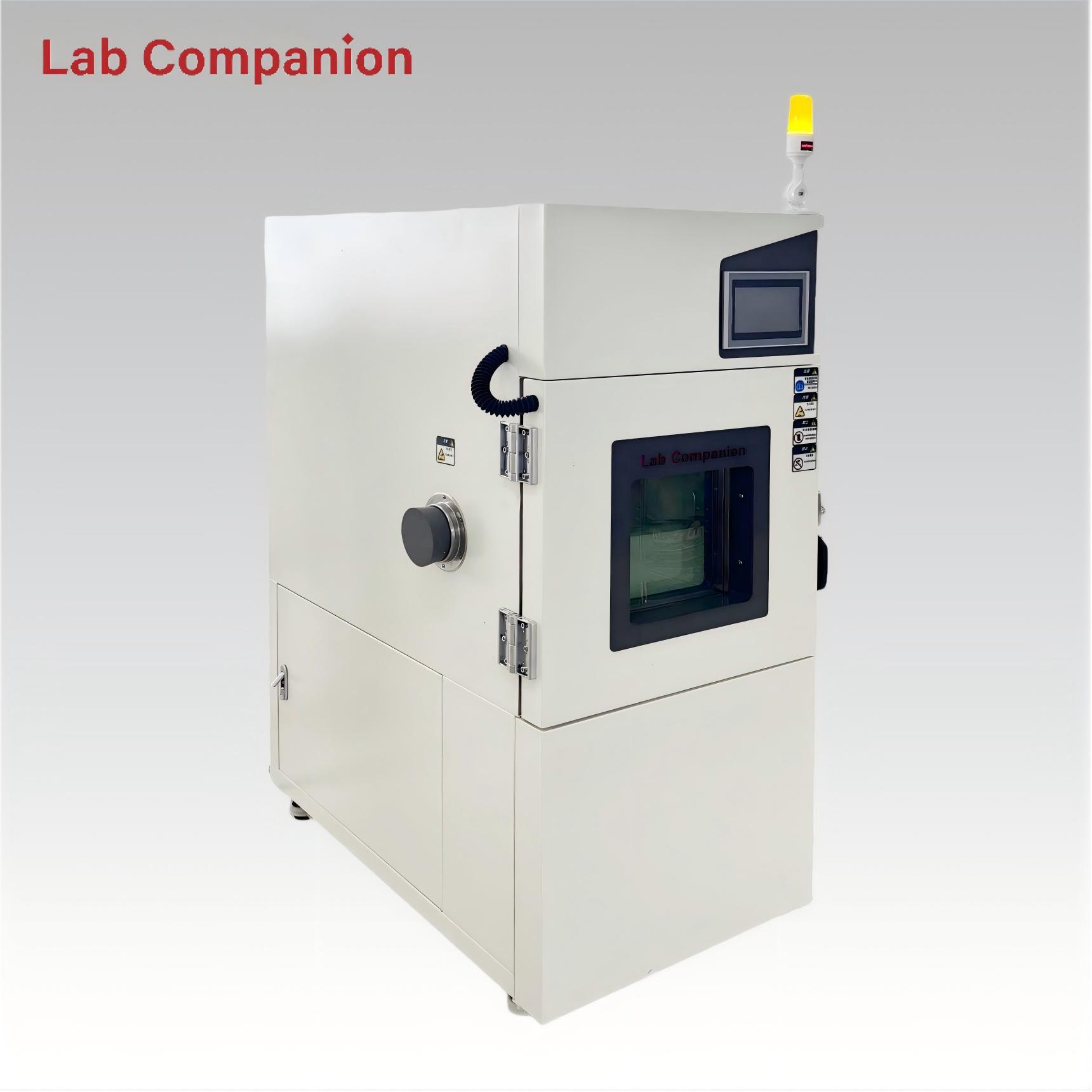
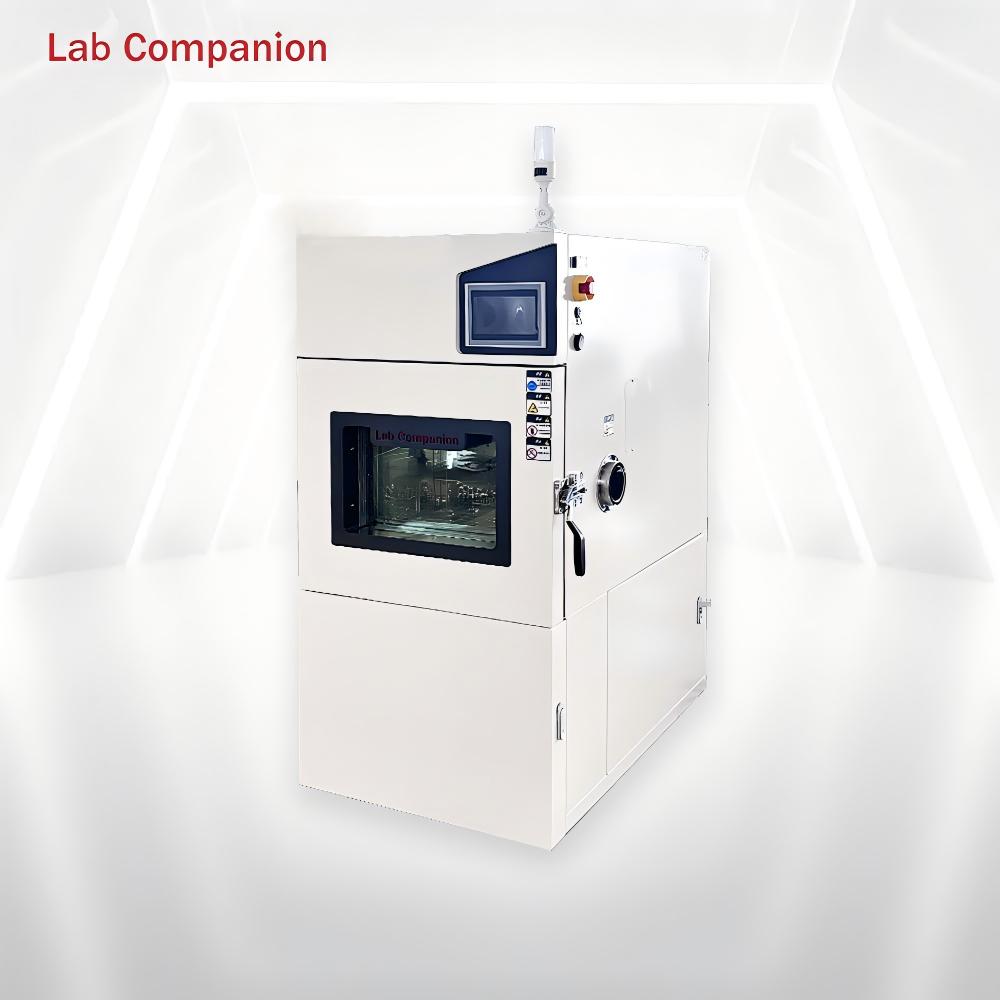
As the "heart" of the refrigeration system of the high and low temperature rapid temperature change chamber, the compressor's operating status directly determines the overall performance of the equipment. Refrigerant oil is the key medium to maintain the normal operation of the compressor, mainly undertaking four core functions: lubrication, cooling, sealing, and cleaning. Specifically, refrigerant oil can effectively reduce the friction loss of moving parts inside the compressor, lower the operating temperature during operation, seal the refrigerant leakage channel, and clean internal carbon deposits and impurities, thereby fundamentally extending the service life of the compressor. Lab Companion high and low temperature rapid temperature change chambers are equipped with high-quality semi-hermetic piston compressors, matched with specially adapted refrigerant oil. The purity of the oil and the matching degree of its performance parameters with the equipment directly affect the operating efficiency, energy consumption level and overall service life of the refrigeration system. Therefore, strictly following the refrigerant oil replacement specifications and controlling the replacement cycle is a core link in the daily maintenance of the equipment and a key measure to avoid refrigeration system failures.
II. Lab Companion Refrigerant Oil Replacement Specifications: Detailed Cycle Standards and Operation Steps
Combined with industry standards and the structural characteristics of Lab Companion equipment, clear cycle standards and operation specifications have been formulated for the replacement of refrigerant oil in semi-hermetic piston compressors to ensure that the replacement process is scientific and standardized, and the equipment performance is not affected.
(I) Replacement Cycle
1. First Replacement: The first refrigerant oil replacement must be completed within 500 hours of equipment operation. The purpose is to remove metal debris and impurities generated during the factory inspection and initial operation of the equipment to avoid wear of internal parts of the compressor;
2. Routine Replacement: After the first replacement, the subsequent replacement cycle should be flexibly adjusted according to the oil quality and actual operating conditions. Under normal operating conditions, it should be replaced every 10,000 to 12,000 hours;
3. Emergency Replacement: If abnormal oil quality (such as discoloration, impurities, peculiar smell, etc.) is found during daily inspection, there is no need to wait for the fixed cycle. The equipment must be shut down immediately for inspection and refrigerant oil replacement to avoid the expansion of faults.
(II) Replacement Operation Steps
Lab Companion provides users with a standardized operation guide with clear and operable steps, as follows:
1. Preprocessing: Start the equipment and run it until the refrigeration system reaches the normal working temperature, and continue to run for 1 hour to ensure that the refrigerant oil circulates fully, facilitating the discharge of internal impurities;
2. First Oil Drainage: Turn off the equipment power supply. After the system pressure drops to the normal range, drain all the old oil in the oil tank, cooler and all filters to ensure no residual old oil;
3. Secondary Flushing: Add new refrigerant oil to the oil tank to the minimum oil volume required for equipment operation (about 1/2 of the oil tank volume), start the machine and run it to the normal working temperature for 1 hour, then shut down and drain the flushing oil in the oil tank again;
4. Tertiary Flushing and Cleaning: Repeat the above secondary flushing steps. After completing the third oil drainage, thoroughly clean the filters and filter screens to remove residual impurities and old oil traces;
5. Adding New Oil: Add Lab Companion specially adapted refrigerant oil to the oil tank until it reaches the normal oil level specified by the equipment, ensuring sufficient oil volume and no leakage;
6. Test Run: Restart the equipment and run it for 15 minutes. Closely observe whether the oil level is normal, whether there is abnormal noise during equipment operation, and whether the refrigeration system is stable. Only after confirming that there is no abnormality can it be put into normal use.
III. Oil Quality Judgment Skills: Timely Avoid Equipment Operation Hidden Dangers
In addition to strictly following the fixed replacement cycle, the oil quality status can be quickly judged by observing the oil quality, color and smell of the refrigerant oil during daily operation and maintenance, so as to avoid compressor damage and refrigeration system failures caused by oil deterioration in advance. The specific judgment standards are as follows:
1. Normal State: The refrigerant oil is transparent and clear, with no visible impurities or peculiar smell, indicating that the oil quality is good and can continue to be used normally;
2. Mild Abnormality (Yellow Oil Color): If the oil color turns light yellow or yellow, carefully observe whether there are impurities or burning smell, and check whether air enters the refrigeration system causing oil oxidation; if no moisture or impurities are detected, it can be temporarily not replaced, but the inspection cycle should be shortened; if the oil color is dark and accompanied by slight impurities, the new oil should be replaced in time, and the system should be simply cleaned;
3. Severe Abnormality (Brown Oil Color): If the oil color turns dark brown or black brown and is accompanied by obvious burning smell, stop the machine immediately and detect the resistance value of the compressor motor winding; if the winding insulation is good, the refrigerant oil must be completely replaced and the refrigeration system must be fully cleaned; if the winding insulation is abnormal, contact after-sales service to check the compressor failure to avoid further damage to the equipment.
IV. Lab Companion After-sales Support: Full-cycle Escort to Reduce Maintenance Costs
To help users complete the refrigerant oil replacement standardizedly and avoid operational risks, Lab Companion provides full-cycle after-sales support services to comprehensively reduce users' maintenance costs and extend the service life of the equipment.
1. Standardized Guidance: Provide users with a detailed refrigerant oil replacement operation manual and video guidance to ensure that users can quickly grasp the operation points;
2. Professional Guidance Service: Equipped with a professional after-sales team. On-site maintenance services are available in China to guide the refrigerant oil replacement steps and explain oil quality judgment skills on site to solve users' operational problems; On-site services are not provided overseas, but one-on-one online guidance services are available to answer various questions during the operation process and ensure the standardized completion of the replacement work;
3. Specially Adapted Consumables: Provide Lab Companion equipment specially adapted refrigerant oil to ensure that the oil quality and performance are fully matched with the equipment, and eliminate equipment failures caused by the use of inferior refrigerant oil or non-adapted refrigerant oil;
4. Full-cycle Operation and Maintenance Support: Regularly remind users to replace refrigerant oil, provide equipment maintenance suggestions, help users reduce compressor wear, improve refrigeration efficiency, reduce energy consumption, and keep the equipment in a stable operating state for a long time, providing reliable support for various testing work.
1. There are significant differences in test standards across industries (e.g., ISO, GJB, FDA). Can the equipment directly meet multi-standard compatibility without manual parameter adjustment?
Answer: The core pain point is that standard adaptability affects certification applications. Hongzhan is built with a library of over 200 industry standard programs (including ISO 16750 for electronics, GJB 150, FDA 820 for medical devices, etc.), which can be matched with requirements with one click without manual programming. The data format complies with certification specifications, facilitating rapid approval.
2. When testing special-shaped samples (such as long strip components, irregular assemblies), can the equipment's inner tank layout and door opening method be adapted to avoid blocking the air duct and affecting test results?
Answer: Conventional equipment mostly has fixed inner tanks and front-opening doors, which are difficult to adapt to special-shaped/large samples. Hongzhan supports customization of inner tank sizes from 36L to 10000L, and can design zoned air ducts and reserve sample wire outlets. Door opening methods can be front-opening, side-opening, or double-opening (suitable for extra-long samples), ensuring temperature uniformity during testing of special-shaped samples without affecting data.
3. Can existing laboratory equipment such as data loggers, vibration tables, and salt spray chambers be linked and controlled with high and low temperature test chambers to achieve comprehensive testing of temperature and humidity + vibration + salt spray?
Answer: Equipment synergy compatibility is easily overlooked. Hongzhan equipment is equipped with standardized interfaces (RS485, Ethernet) and can be seamlessly connected with third-party instruments. Through the central control system, it can synchronously control multiple environmental factors such as temperature and humidity, vibration, and salt spray, with real-time data synchronization and integration, adapting to complex reliability testing needs in aerospace, new energy and other industries.
4. When testing flammable, corrosive, or volatile gas-containing samples, does the equipment have special protective designs to avoid safety hazards or equipment damage?
Answer: The impact of sample characteristics on equipment is easily overlooked. Hongzhan can customize special protective models: explosion-proof inner tanks and inert gas replacement systems for flammable samples; Hastelloy inner tanks (acid and alkali resistant) for corrosive samples; activated carbon filtration devices for volatile samples, ensuring safety and extending equipment service life.
5. Can the equipment be compatible with unstable laboratory voltage (such as voltage fluctuations during peak workshop electricity usage) or special power supply requirements (such as 110V voltage overseas) to avoid frequent shutdowns or component burnout?
Answer: Power supply compatibility is easily overlooked. Hongzhan equipment supports a wide voltage range of 110V-440V, adapting to domestic and foreign power supply standards. It has a built-in intelligent voltage stabilization module and can operate stably even with a voltage fluctuation of ±15%. Equipped with triple protection against overload, overvoltage, and undervoltage, it avoids equipment damage or test interruption caused by power supply issues.
Proper maintenance is key to stable operation and long life of high and low temperature test chambers (manufactured by Lab Companion—Guangdong Hongzhan Technology with 20 years of expertise). Before cleaning/maintenance, remove internal impurities first.
1. Exterior Cleaning
Cabinet & Control Panel: Wipe with clean soft cloth; use neutral detergent for stubborn stains.
Notice: Avoid corrosive chemicals.
Power Cord & Plug: Inspect regularly for wear/cracks.
Notice: Replace damaged parts promptly to prevent electrical risks.
2. Internal & Accessory Maintenance
Filters: Check and replace regularly (based on usage) to block dust and avoid performance issues.
Water Tank & Pipes: Replace water and clean interior regularly.
Notice: Use purified/distilled water to prevent scale/bacteria.
Exhaust Fan: Inspect insulation and air duct blockages.
Notice: Clean every 6 months to ensure heat dissipation.
Temp & Humidity Sensors: Verify function periodically, and clean/replace if faulty to avoid test result errors.
Power Distribution Room: Vacuum dust annually to protect electrical components.
Power Distribution Box Panel: Wipe with dry cloth monthly; never use wet cloth to prevent short circuits.
3. Operating Environment
Placement: Install in dry, well-ventilated area.
Notice: Avoid direct sunlight, high temp/humidity.
Working Parameters: Operate within designed temp/humidity range.
Notice: Avoid overloading to prevent damage.
4. Performance Testing & Calibration
Performance Testing: Test regularly, compare with standard equipment for accuracy.
Calibration: Calibrate sensors/controllers periodically (at least annually, based on usage) for precision.
5. Record-Keeping & Operation
Establish maintenance records for troubleshooting.
Notice: Assign dedicated staff; follow guidelines to avoid unauthorized/improper use.
Follow these tips to maximize your chamber's performance and lifespan for reliable lab/industrial results.
For more advice or inquiries, contact Lab Companion—your trusted environmental test equipment partner.
Nếu bạn quan tâm đến sản phẩm của chúng tôi và muốn biết thêm thông tin chi tiết, vui lòng để lại tin nhắn ở đây, chúng tôi sẽ trả lời bạn sớm nhất có thể.




 Nhận báo giá


 Mạng IPv6 được hỗ trợ